
Amla (Indian Gooseberry): The Benefits and Dietary Precautions

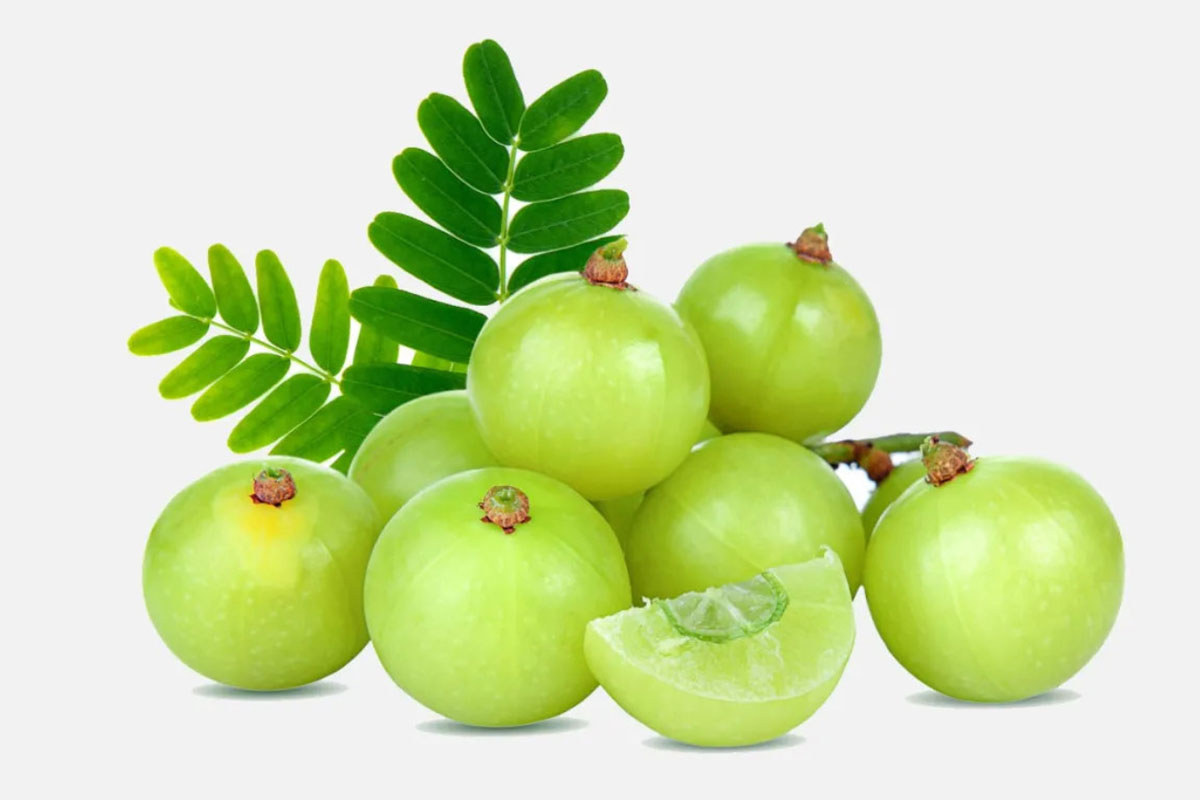
Amla (also known as Indian Gooseberry), with the scientific name Phyllanthus emblica, has been steadily gaining popularity across Asia, particularly within the health food trend, where it has become a favored natural dietary supplement for many consumers. Not only does it hold an important place in Traditional Chinese Medicine, but it also has a long history of use in Ayurvedic medicine in India, spanning thousands of years. Amla, known in various regions as “Yu Gan” or “Indian Gooseberry,” reflects its regional uniqueness and embodies a rich cultural significance.
Appearance and Characteristics of Amla
The appearance of Amla is quite distinctive. The fruit is round and generally green, turning pale yellow or orange when ripe. Its flesh is tart and sour, which may initially be off-putting to some consumers, but as it is chewed, the sweet aftertaste emerges, giving it the nickname “Yu Gan” in Hakka culture, meaning “sweet after bitterness.” Amla thrives in well-drained soils with plenty of sunlight, making tropical and subtropical regions ideal for its growth. As a result, it has flourished in certain mountainous areas of Taiwan, such as Miaoli and Nantou, becoming a unique local agricultural product.
Health Benefits and Effects of Amla
In Traditional Chinese Medicine, Amla is considered sour and sweet in taste, with cooling properties that help clear heat and cool the blood. This makes it a popular choice for treating symptoms like coughing and sore throat caused by heat in the body. With the growing stress and health issues in modern life, the need for detoxification, digestion support, and immune enhancement has become more prominent. Amla offers a wide range of benefits, particularly for the digestive system, as its rich dietary fiber promotes bowel movements, alleviating indigestion and bloating, which makes it invaluable in modern health diets.
Nutritional Composition and Antioxidant Properties of Amla
Research shows that Amla contains a significant amount of antioxidants that effectively combat damage from free radicals, helping to slow down aging and maintain overall health. Especially notable is its high Vitamin C content—up to 400mg per 100g—which surpasses that of most other fruits, earning it the title of “King of Antioxidants.” The antioxidant properties not only help with anti-aging but also enhance immune function, which is a sought-after benefit in today’s world where viral and bacterial threats are increasingly prevalent.
Antibacterial Properties of Amla
In addition, Amla’s antibacterial properties have garnered scientific attention. Studies have shown that Amla can inhibit certain pathogens, such as Escherichia coli and Staphylococcus aureus, making it a promising natural preservative in food and a valuable tool in health maintenance. This natural health food not only supports cardiovascular health but also helps combat various health problems caused by improper diets.
Historical and Cultural Significance of Amla
From a historical perspective, the use of Amla can be traced back thousands of years to ancient India, where its value was recognized by early physicians. As trade expanded, Amla gradually spread to other regions, gaining prominence in Asian cultures. In traditional herbal medicine, Amla was often used to treat a variety of ailments, making it more than just a food—it became an important medicinal plant.
Market Potential of Amla
In today’s health food trends, Amla has become a focus of attention. As scientific research progresses, more evidence is emerging to support the undeniable health benefits of this small fruit. Consumers are increasingly choosing products that contain natural ingredients with special health properties, and Amla fits this demand perfectly. As a result, various Amla-based health supplements have appeared in the market, such as Amla extract capsules, powders, and beverages. Some biotech companies have utilized the properties of Amla to develop health products incorporating Traditional Chinese Medicine concepts, such as “Herbtail GlucoMetabol.” These products aim to provide safe and effective options for patients with high blood pressure, high blood sugar, and high cholesterol. These innovations combine scientific research with the wisdom of traditional medicine, giving Amla a new position in the market.
Conclusion
In conclusion, Amla, as a nutrient-rich fruit, may face a series of challenges and restrictions in consumption, but as the market develops and consumers become more familiar with it, its health benefits are being recognized and accepted by more people. From the initial difficulty in trying the fruit, to the diverse methods of consumption after improvement, and to the professional guidance and introduction of supplements, Amla is steadily making its way into broader aspects of daily life.